
Our Philosophy & Method
Reggio Approach × SEL × Japanese culture: Kodomo Edu's own method for building English, and the non-cognitive skills beyond it — backed by academic research and a 96% acceptance track record.
School Mission
Growing a "0→1 (Zero-to-One) Brain"
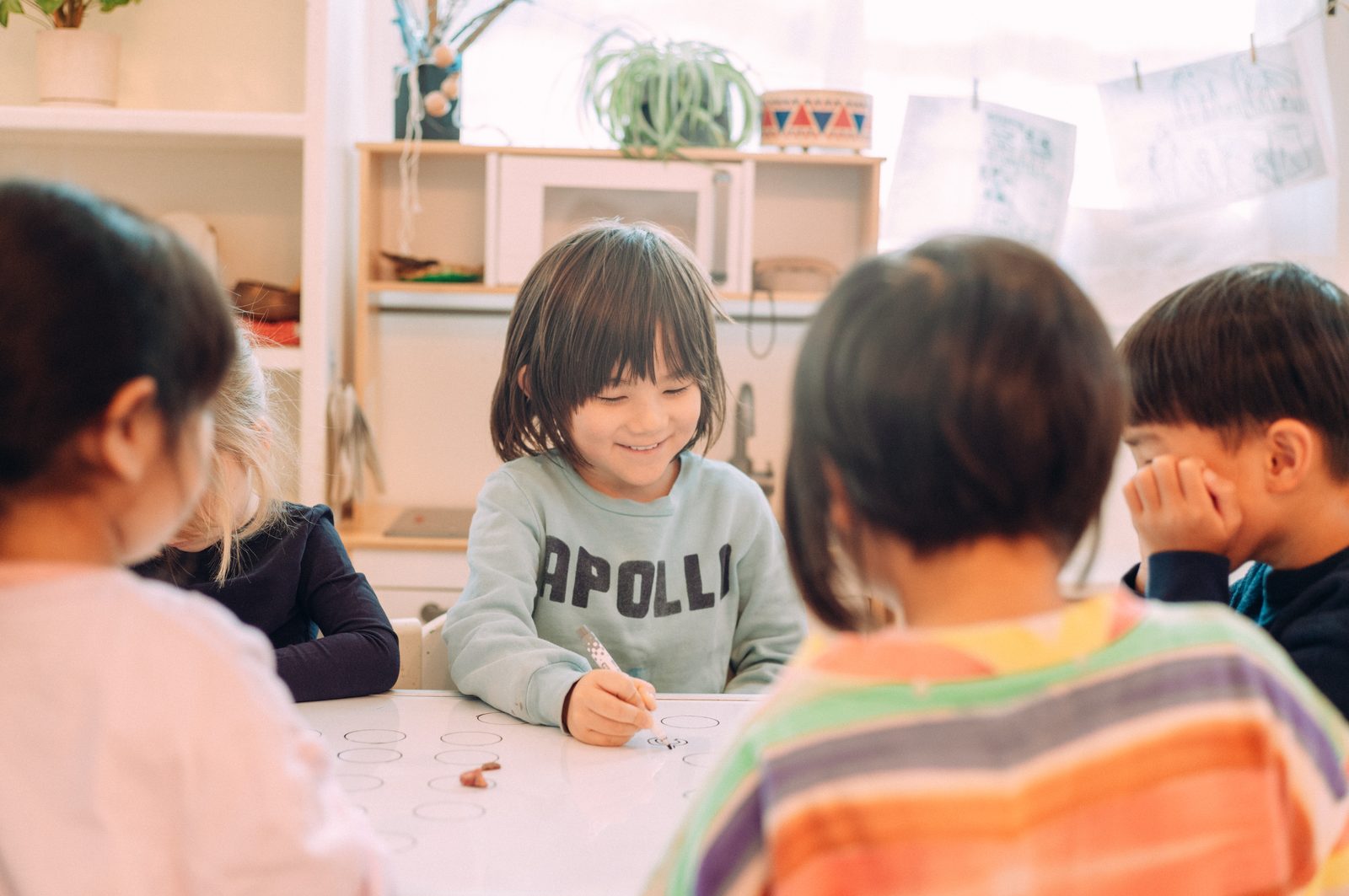
Every child is a capable, self-directed being with unlimited potential. We respect each child's individuality, and we build the ability to ask questions, think, and take on challenges together with peers.
Whatever the era, the ability to shape your own future — thinking with a "0→1 brain" — is Kodomo Edu's core belief.
Child, teacher, and parent work together daily to support each child's growth. Our teachers don't so much "lead" children as "trust and entrust" them — not handing over answers, but letting children choose for themselves.
Kodomo Edu Method
The Kodomo Edu Method — Three Pillars
Our education rests on three pillars: art-based inquiry learning, American-originated SEL (social-emotional learning), and Japanese culture and Zen philosophy. Together, they build both critical thinking and inner strength. Explore each pillar in depth via the cards below.
-
The Reggio Approach
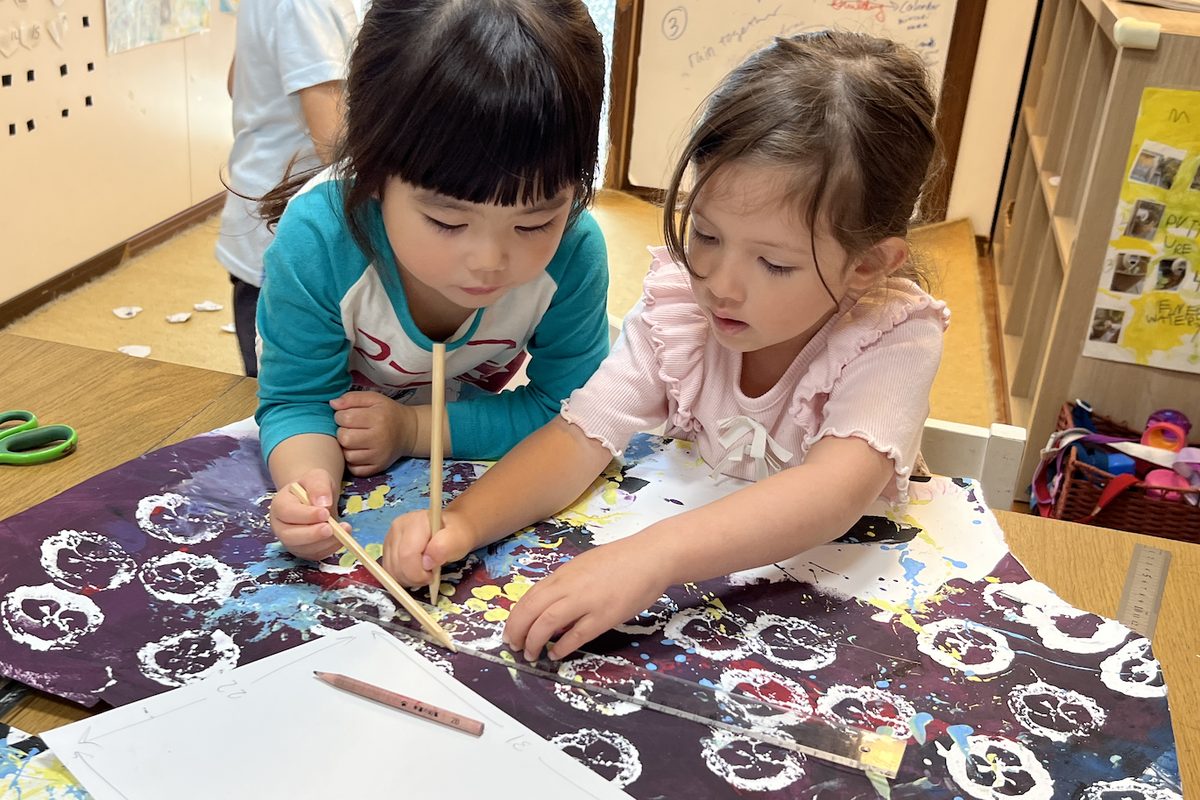
An early-childhood education approach that began in Italy. It holds that children have unlimited potential and many different ways of expressing themselves, and it builds creativity, self-expression, and autonomy. Adults aren't there to teach or instruct, but to guide through dialogue, observation, and documentation.
More on the Reggio Approach (Japanese) -
SEL Education (Social-Emotional Learning)
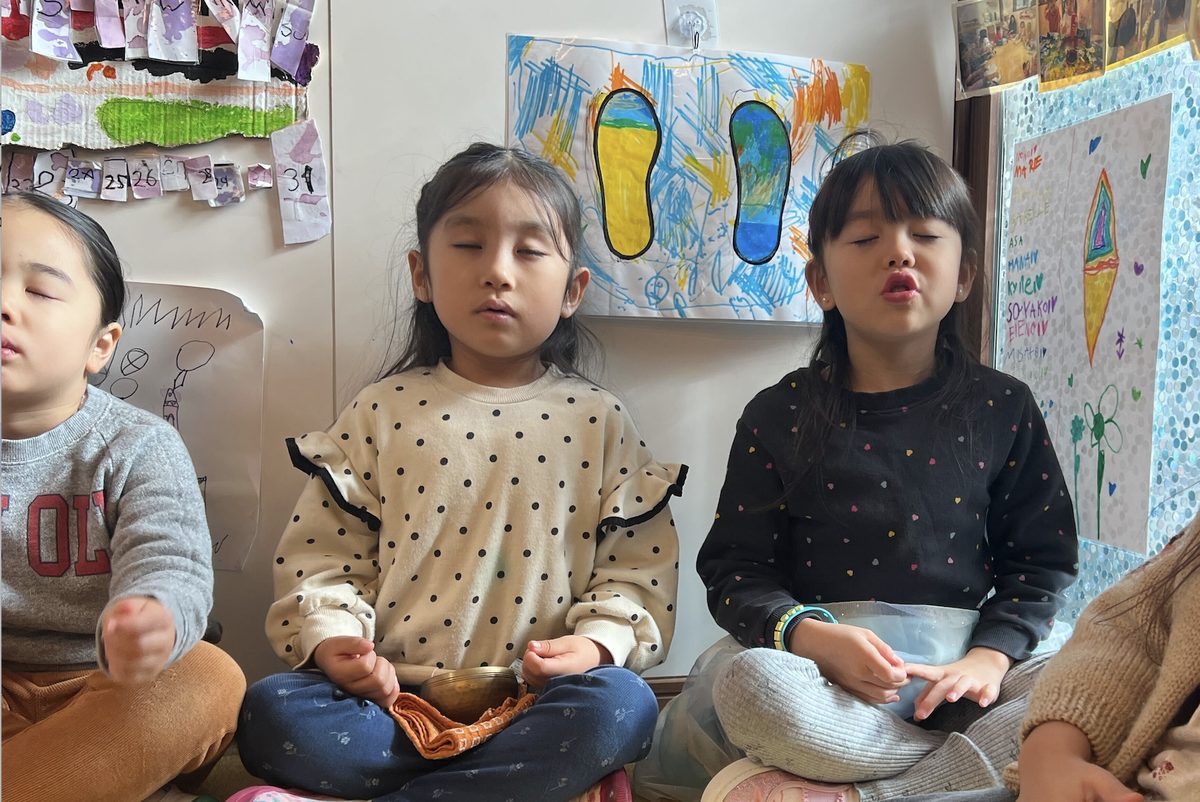
We practice cutting-edge American Social-Emotional Learning. Grounded in self-efficacy and self-esteem — the belief that "I can do this" — children build the inner strength to keep trying after failure and see things through to the end.
More on SEL Education (Japanese) -
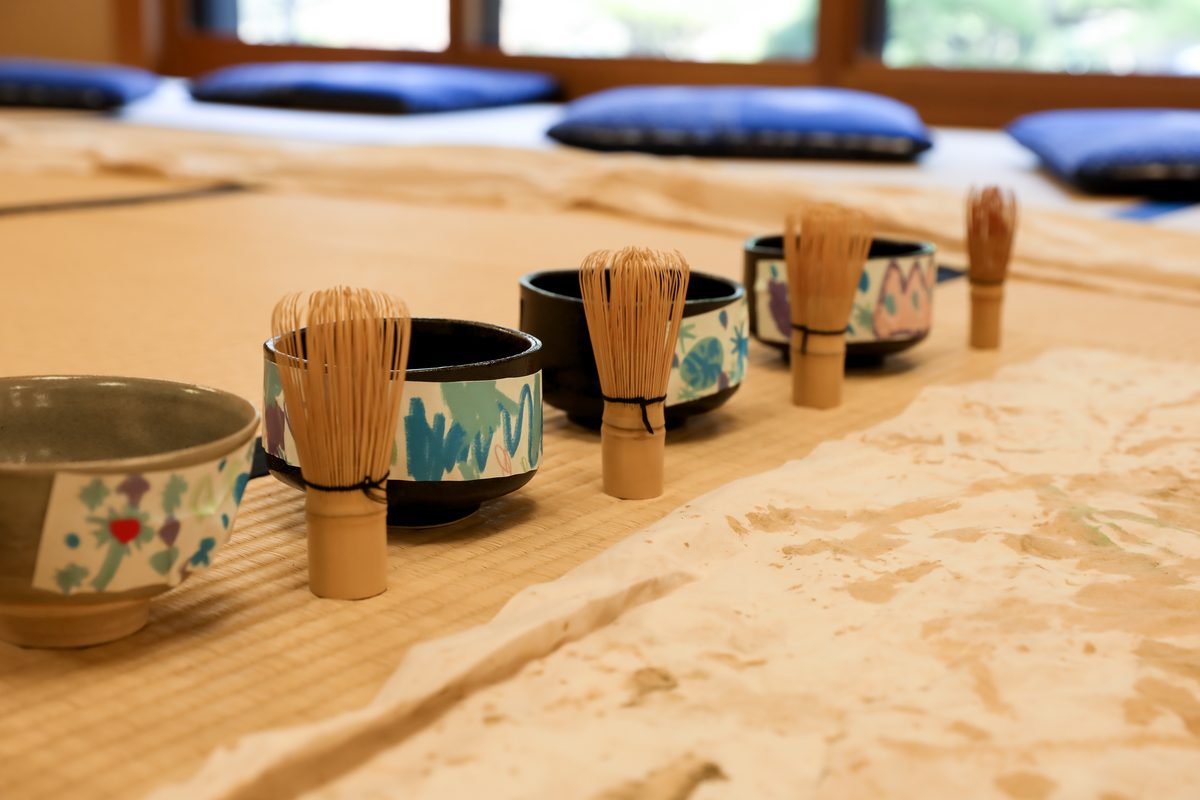
Japanese Culture & Zen Philosophy
Though we're an international school, we draw on Japan's globally respected Zen culture in our daily practice — consideration for others, cleaning up after yourself, and pausing to take a breath and find calm are habits built through daily routine.
More on our Japanese-culture practice (Japanese)
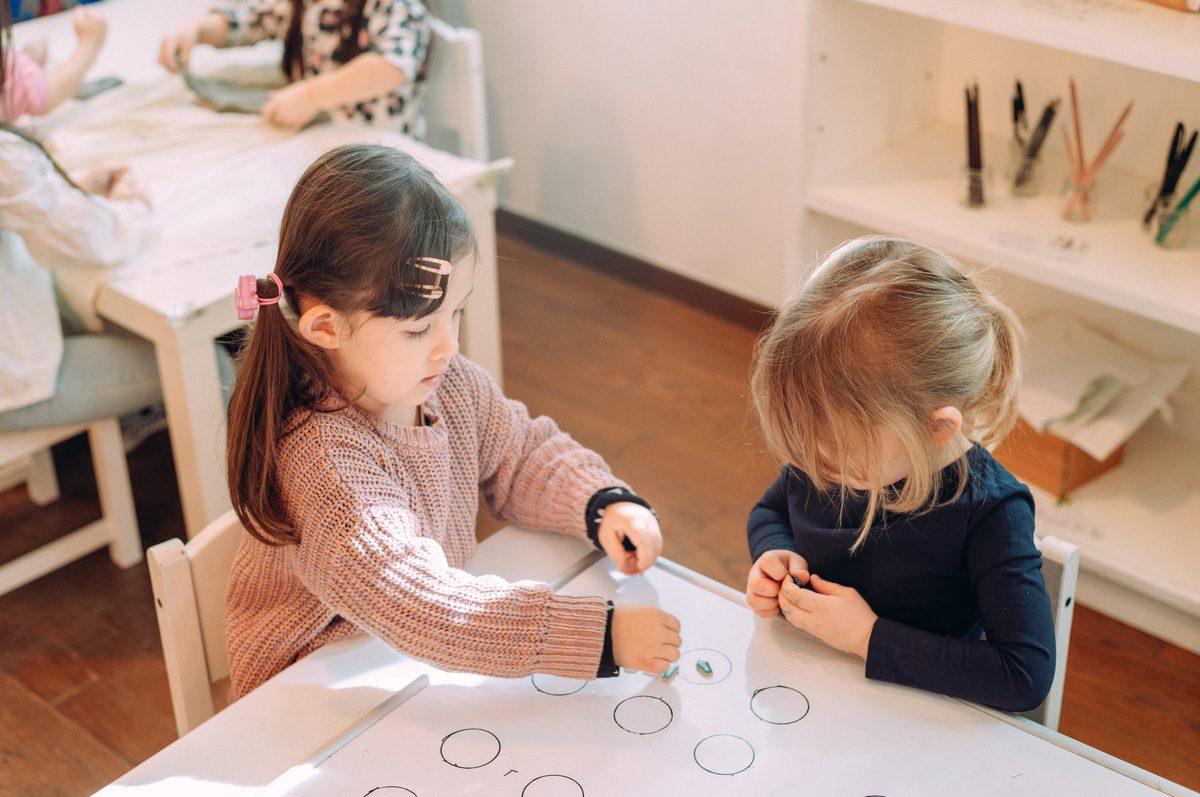
Inquiry-Based Learning
Inquiry Learning That Turns Nothing Into Something
Building on the philosophy of the Reggio Approach, we developed our own inquiry program to build children's whole-person ability. It nurtures a "0→1 brain" that freely imagines and designs solutions and worlds.
Driven by their own interests, children pose their own questions through dialogue with their teachers, then shape their answers into artwork together with peers, using a range of art materials. This process can span months, but through failures and friction with friends along the way, it strengthens both heart and mind — experiential learning at its core.
Source: Kodomo Edu International School Founder's Letter
Evidence
The Academic Evidence Behind Non-Cognitive Skills
The "non-cognitive skills" Kodomo Edu builds are an umbrella term for motivation, cooperation, perseverance, self-control, curiosity, and other qualities that academic tests can't measure. They're understood not as innate traits, but as skills shaped by environment.
-
7–8x
Return on investment in early-childhood (ages 0–5) education, compared with a baseline of 1x for university-age investment
Heckman, J.J. (2017)
-
80%
Share of the neural circuitry for executive function that forms by age 6
Diamond, A. (2013). Annual Review of Psychology
-
$13
Return on every $1 invested in early education (Perry Preschool Project)
Heckman, J.J. (2017)
The term "non-cognitive skills" was coined academically in 1976 by economists Samuel Bowles and Herbert Gintis. Its importance was later demonstrated by Nobel laureate economist James Heckman, through 40 years of tracked data. Bowles, S. & Gintis, H. (1976); Heckman, J., Stixrud, J. & Urzua, S. (2006). Journal of Labor Economics
In 2015, the OECD addressed non-cognitive skills in its report "Skills for Social Progress," and the concept has since spread across education systems worldwide. OECD (2015). Skills for Social Progress
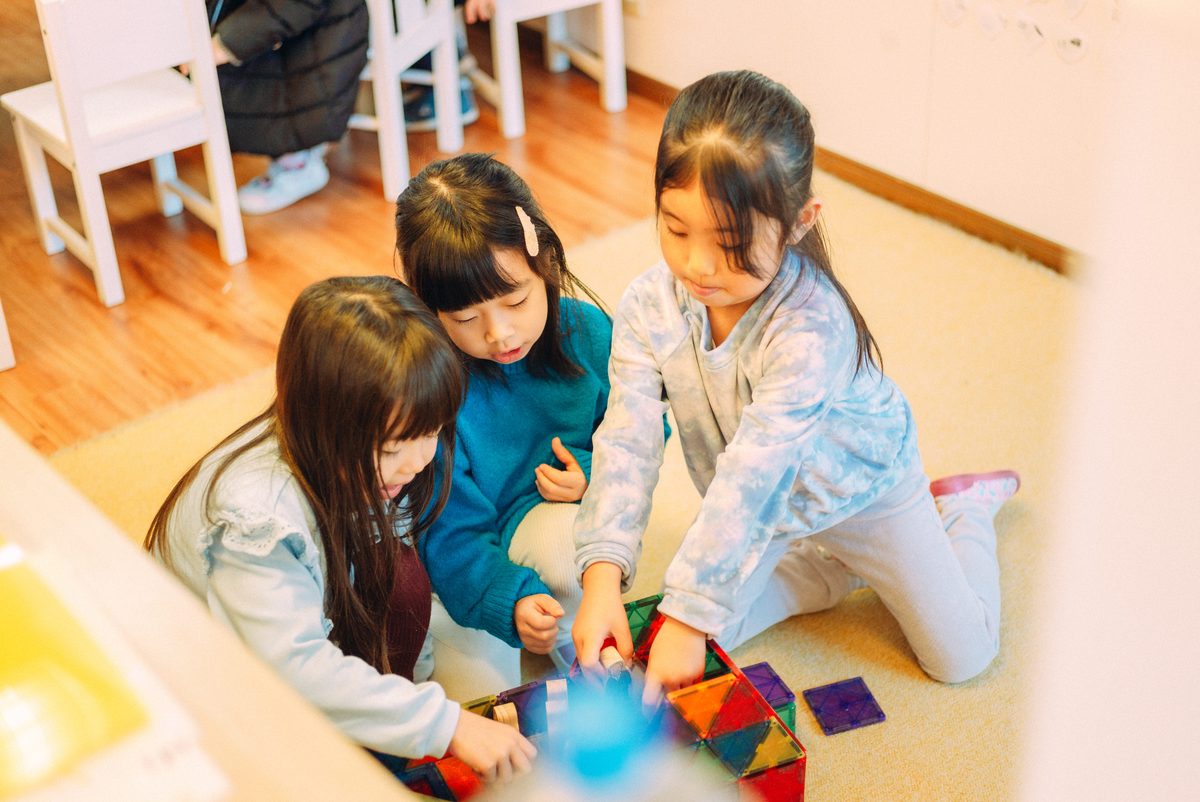
Our Team
A World-Class Education Team
Kodomo Edu works to raise educational quality together with specialists in Japan and abroad, including the academic insight of Waseda University Professor Shinji Oshima (psychology). Becca, who has run a Reggio-inspired school in Los Angeles, and Alessandra, who continues Reggio Approach research and practice in Italy, both serve as advisors.
Assessment
Our 10-Item Assessment
Using growth indicators of child development and learning adopted by the California Department of Education, we share a 10-item assessment of your child's growth with parents each semester.
-
Receptive Language
-
Expressive Language
-
Sustained Attention
-
Curiosity & Initiative
-
Self-Regulation of Emotions & Behavior
-
Engagement & Persistence
-
Gross Motor Skills
-
Fine Motor Skills
-
Social & Emotional Understanding
-
Conflict Negotiation
The above shows only the assessment framework itself. It does not include actual evaluation content or any individual child's information.
Track Record
96% Acceptance Rate
Over the past six years, 96% of Kodomo Edu graduates have been accepted into competitive international or private elementary schools.
-
96%
Acceptance rate to competitive schools
(past 6 years)
| School | Students |
|---|---|
| Nishimachi International School | 4 |
| British School in Tokyo (BST) | 3 |
| KAIS International School | 3 |
| St. Mary's International School | 2 |
| Laurus International School | 2 |
| Shinagawa International School | 2 |
| Kyoto International School | 2 |
| American School In Japan (ASIJ) | 1 |
| Canadian International School | 1 |
| Aoba International School | 1 |
| (Overseas) a leading Dutch IB school | 1 |
| Total | 22 |
| School | Students |
|---|---|
| Toho Gakuen Elementary School | 2 |
| Wako Elementary School | 2 |
| Meisei Gakuen Elementary School | 1 |
| Tokyo Community School (TCS) | 1 |
| Total | 6 |
Source: Kodomo edu post-graduation outcomes (past 6 years)
Our graduates show particular strength in the behavioral-observation component of international-school admissions, and in the behavioral-observation and hands-on production components of private-school admissions. Children who go on to public elementary school can still choose English as an elective subject for junior-high entrance exams.
Specialist advisors familiar with private-elementary and international-school admissions are available for individual consultation, and we hold panel discussions with alumni parents who've been through each path.
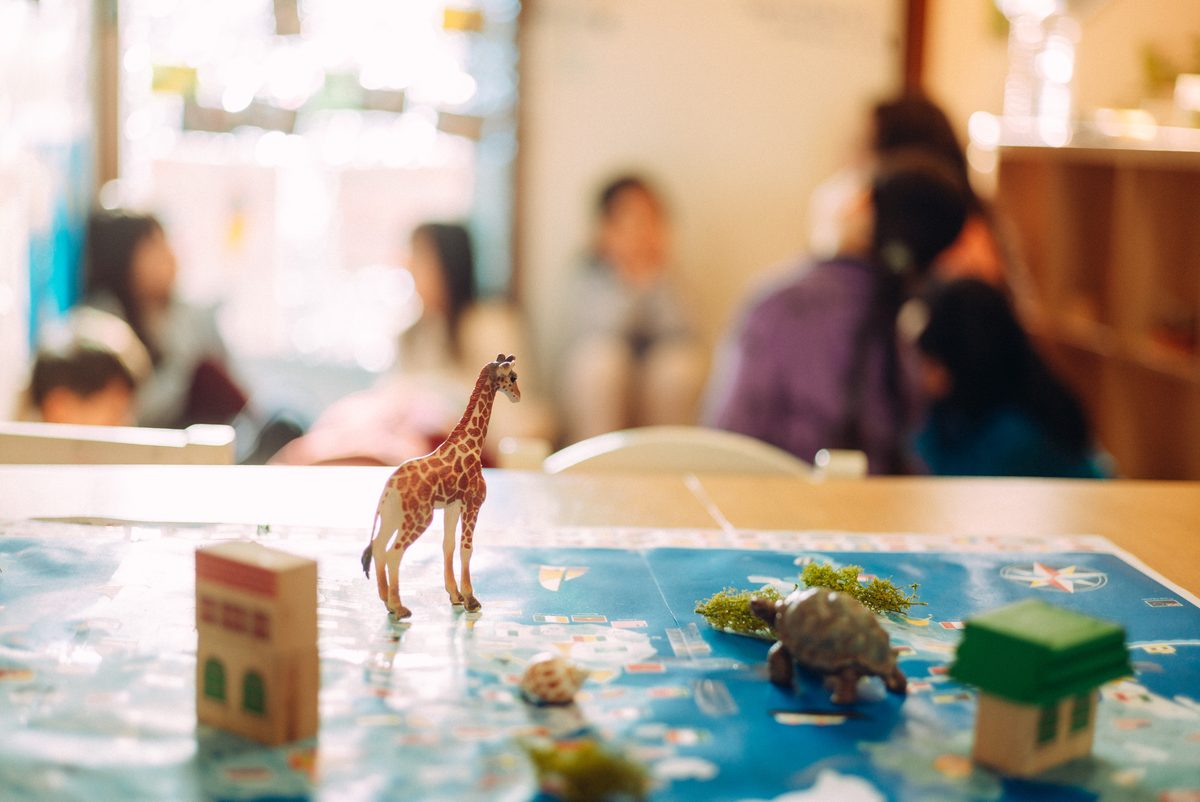
Worldwide Network
Our Worldwide Network
Our international education network keeps growing, through partnerships, joint program development, and exchange.
- Cal Tech Children's Center (a STEM-focused kindergarten at the California Institute of Technology)
- We co-develop a mindfulness × STEM program together.
- Disney Children's Center (Walt Disney Company's in-house kindergarten)
- We run a pen-pal project between our children.
- Hanahau'oli School (a century-old, highly regarded private school in Hawaii)
- We co-host a summer school together in Hawaii.
Our Support
Support that helps you balance work and family — at their best
-
Early drop-off & extended care
Preschool offers early drop-off (Nakameguro from 8:00 AM / Toritsudai from 8:30 AM) and extended care to 6:00 PM. Elementary After School runs as late as 8:00 PM.
-
After-school childcare
Elementary After School can serve as your child's after-school care, combining art and English classes with homework support.
-
Pick-up service
Pick-up options are available by program: within a 1 km radius for Kindergarten After School, and from nearby elementary schools for Elementary After School.
-
Childcare subsidies apply
Both campuses are eligible for Japan's early childhood education subsidy program and Meguro City subsidies (registered as licensed-exempt childcare facilities).
-
Dinner service
Elementary After School extended care (to 8:00 PM) includes dinner, homework support, and English tutoring — advance notice required.
-
Choose 1–5 days a week
Kindergarten and Elementary After School run 1–5 days a week, and Preschool 2–5 days — build a schedule that fits your family.
Our founder's story is on the Message page (Japanese). Meet our international teaching team on the Members page.
Start With a Tour
See our philosophy and method for yourself — nothing beats visiting a campus in person.